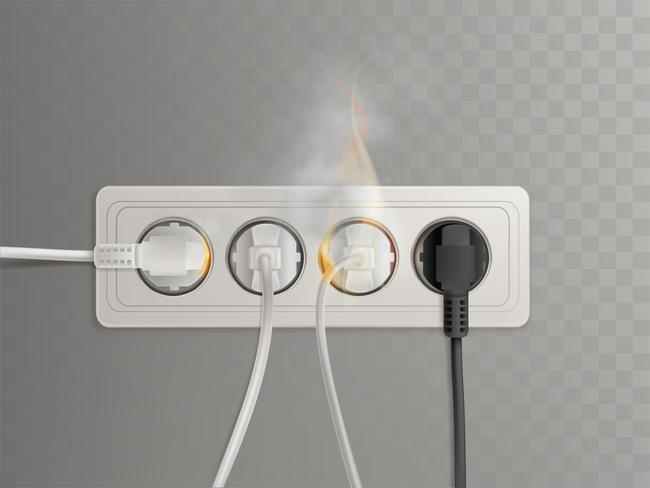
Recognizing the Signs of Electrical Overloads
Electrical overloads can be dangerous and can lead to
electrical fires if not addressed promptly. It is important to recognize the
signs of electrical overloads to prevent any potential hazards. In this blog,
we will discuss the common signs of electrical overloads and provide tips on
how to address them.
1. Frequent Circuit Breaker Tripping:
One of the most common
signs of an electrical overload is when the circuit breaker frequently trips.
This happens when the electrical circuit draws more current than it can handle,
causing the breaker to trip and cut off the power supply. If you notice that a
specific circuit breaker trips frequently, it may be a sign of an overload.

2. Flickering Lights:
Another sign of an electrical overload
is when the lights in your home flicker or dim frequently. This can happen when
there is too much demand on the electrical circuit, causing the voltage to drop
and the lights to flicker. If you notice this happening, it is important to
investigate the cause and address the overload.
3. Overheating Outlets or Switches:
If you feel that an
outlet or switch is hot to the touch, it may be a sign of an electrical
overload. Overloaded circuits can generate excess heat, which can cause outlets
or switches to become hot. This is a serious safety concern and should be
addressed immediately to prevent any potential fire hazards.
4. Burning Smell:
If you detect a burning smell coming from
an outlet, switch, or electrical panel, it is a clear indication of an
electrical overload. This smell can be caused by overheating wires or
components due to excessive current flow. It is crucial to turn off the power
and contact a licensed electrician to inspect and repair the issue.
5. Tripped GFCI Outlets:
Ground Fault Circuit Interrupter
(GFCI) outlets are designed to protect against electrical shocks. If a GFCI
outlet frequently trips, it may be a sign of an electrical overload. This can
happen when there is a fault in the circuit or when the GFCI outlet is
overloaded with too many devices plugged in.
To address electrical overloads, follow these tips:
1. Reduce the Load:
If you notice signs of an electrical
overload, try reducing the load on the circuit. Unplug unnecessary devices or
redistribute the load to different circuits to prevent overloading.
2. Upgrade Electrical Panel:
If your home has an outdated
electrical panel, it may not be able to handle the electrical demands of modern
appliances and devices. Consider upgrading to a higher capacity panel to
prevent overloads.
3. Avoid Daisy Chaining:
Daisy chaining refers to connecting
multiple power strips or extension cords together. This can overload the
circuit and increase the risk of electrical overloads. Instead, use power
strips with built-in surge protectors and avoid excessive use of extension
cords.
4. Consult a Licensed Electrician:
If you are unsure about
the electrical load in your home or if you continue to experience electrical
overloads, it is best to consult a licensed electrician. They can assess your
electrical system, identify any potential issues, and provide appropriate
solutions.
Remember, electrical overloads can be dangerous and should
not be ignored. By recognizing the signs and taking necessary precautions, you
can ensure the safety of your home and prevent electrical hazards.
Electrical overloads can be dangerous and can lead to electrical fires if not addressed promptly. It is important to recognize the signs of electrical overloads to prevent any potential hazards. In this blog, we will discuss the common signs of electrical overloads and provide tips on how to address them.
1. Frequent Circuit Breaker Tripping: One of the most common signs of an electrical overload is when the circuit breaker frequently trips. This happens when the electrical circuit draws more current than it can handle, causing the breaker to trip and cut off the power supply. If you notice that a specific circuit breaker trips frequently, it may be a sign of an overload.
2. Flickering Lights: Another sign of an electrical overload is when the lights in your home flicker or dim frequently. This can happen when there is too much demand on the electrical circuit, causing the voltage to drop and the lights to flicker. If you notice this happening, it is important to investigate the cause and address the overload.
3. Overheating Outlets or Switches: If you feel that an outlet or switch is hot to the touch, it may be a sign of an electrical overload. Overloaded circuits can generate excess heat, which can cause outlets or switches to become hot. This is a serious safety concern and should be addressed immediately to prevent any potential fire hazards.
4. Burning Smell: If you detect a burning smell coming from an outlet, switch, or electrical panel, it is a clear indication of an electrical overload. This smell can be caused by overheating wires or components due to excessive current flow. It is crucial to turn off the power and contact a licensed electrician to inspect and repair the issue.
5. Tripped GFCI Outlets: Ground Fault Circuit Interrupter (GFCI) outlets are designed to protect against electrical shocks. If a GFCI outlet frequently trips, it may be a sign of an electrical overload. This can happen when there is a fault in the circuit or when the GFCI outlet is overloaded with too many devices plugged in.
To address electrical overloads, follow these tips:
1. Reduce the Load: If you notice signs of an electrical overload, try reducing the load on the circuit. Unplug unnecessary devices or redistribute the load to different circuits to prevent overloading.
2. Upgrade Electrical Panel: If your home has an outdated electrical panel, it may not be able to handle the electrical demands of modern appliances and devices. Consider upgrading to a higher capacity panel to prevent overloads.
3. Avoid Daisy Chaining: Daisy chaining refers to connecting multiple power strips or extension cords together. This can overload the circuit and increase the risk of electrical overloads. Instead, use power strips with built-in surge protectors and avoid excessive use of extension cords.
4. Consult a Licensed Electrician: If you are unsure about the electrical load in your home or if you continue to experience electrical overloads, it is best to consult a licensed electrician. They can assess your electrical system, identify any potential issues, and provide appropriate solutions.
Remember, electrical overloads can be dangerous and should not be ignored. By recognizing the signs and taking necessary precautions, you can ensure the safety of your home and prevent electrical hazards.Electrical overloads can be dangerous and can lead to electrical fires if not addressed promptly. It is important to recognize the signs of electrical overloads to prevent any potential hazards. In this blog, we will discuss the common signs of electrical overloads and provide tips on how to address them.
1. Frequent Circuit Breaker Tripping: One of the most common signs of an electrical overload is when the circuit breaker frequently trips. This happens when the electrical circuit draws more current than it can handle, causing the breaker to trip and cut off the power supply. If you notice that a specific circuit breaker trips frequently, it may be a sign of an overload.
2. Flickering Lights: Another sign of an electrical overload is when the lights in your home flicker or dim frequently. This can happen when there is too much demand on the electrical circuit, causing the voltage to drop and the lights to flicker. If you notice this happening, it is important to investigate the cause and address the overload.
3. Overheating Outlets or Switches: If you feel that an outlet or switch is hot to the touch, it may be a sign of an electrical overload. Overloaded circuits can generate excess heat, which can cause outlets or switches to become hot. This is a serious safety concern and should be addressed immediately to prevent any potential fire hazards.
4. Burning Smell: If you detect a burning smell coming from an outlet, switch, or electrical panel, it is a clear indication of an electrical overload. This smell can be caused by overheating wires or components due to excessive current flow. It is crucial to turn off the power and contact a licensed electrician to inspect and repair the issue.
5. Tripped GFCI Outlets: Ground Fault Circuit Interrupter (GFCI) outlets are designed to protect against electrical shocks. If a GFCI outlet frequently trips, it may be a sign of an electrical overload. This can happen when there is a fault in the circuit or when the GFCI outlet is overloaded with too many devices plugged in.
To address electrical overloads, follow these tips:
1. Reduce the Load: If you notice signs of an electrical overload, try reducing the load on the circuit. Unplug unnecessary devices or redistribute the load to different circuits to prevent overloading.
2. Upgrade Electrical Panel: If your home has an outdated electrical panel, it may not be able to handle the electrical demands of modern appliances and devices. Consider upgrading to a higher capacity panel to prevent overloads.
3. Avoid Daisy Chaining: Daisy chaining refers to connecting multiple power strips or extension cords together. This can overload the circuit and increase the risk of electrical overloads. Instead, use power strips with built-in surge protectors and avoid excessive use of extension cords.
4. Consult a Licensed Electrician: If you are unsure about the electrical load in your home or if you continue to experience electrical overloads, it is best to consult a licensed electrician. They can assess your electrical system, identify any potential issues, and provide appropriate solutions.
Remember, electrical overloads can be dangerous and should not be ignored. By recognizing the signs and taking necessary precautions, you can ensure the safety of your home and prevent electrical hazards.Electrical overloads can be dangerous and can lead to electrical fires if not addressed promptly. It is important to recognize the signs of electrical overloads to prevent any potential hazards. In this blog, we will discuss the common signs of electrical overloads and provide tips on how to address them.
1. Frequent Circuit Breaker Tripping: One of the most common signs of an electrical overload is when the circuit breaker frequently trips. This happens when the electrical circuit draws more current than it can handle, causing the breaker to trip and cut off the power supply. If you notice that a specific circuit breaker trips frequently, it may be a sign of an overload.
2. Flickering Lights: Another sign of an electrical overload is when the lights in your home flicker or dim frequently. This can happen when there is too much demand on the electrical circuit, causing the voltage to drop and the lights to flicker. If you notice this happening, it is important to investigate the cause and address the overload.
3. Overheating Outlets or Switches: If you feel that an outlet or switch is hot to the touch, it may be a sign of an electrical overload. Overloaded circuits can generate excess heat, which can cause outlets or switches to become hot. This is a serious safety concern and should be addressed immediately to prevent any potential fire hazards.
4. Burning Smell: If you detect a burning smell coming from an outlet, switch, or electrical panel, it is a clear indication of an electrical overload. This smell can be caused by overheating wires or components due to excessive current flow. It is crucial to turn off the power and contact a licensed electrician to inspect and repair the issue.
5. Tripped GFCI Outlets: Ground Fault Circuit Interrupter (GFCI) outlets are designed to protect against electrical shocks. If a GFCI outlet frequently trips, it may be a sign of an electrical overload. This can happen when there is a fault in the circuit or when the GFCI outlet is overloaded with too many devices plugged in.
To address electrical overloads, follow these tips:
1. Reduce the Load: If you notice signs of an electrical overload, try reducing the load on the circuit. Unplug unnecessary devices or redistribute the load to different circuits to prevent overloading.
2. Upgrade Electrical Panel: If your home has an outdated electrical panel, it may not be able to handle the electrical demands of modern appliances and devices. Consider upgrading to a higher capacity panel to prevent overloads.
3. Avoid Daisy Chaining: Daisy chaining refers to connecting multiple power strips or extension cords together. This can overload the circuit and increase the risk of electrical overloads. Instead, use power strips with built-in surge protectors and avoid excessive use of extension cords.
4. Consult a Licensed Electrician: If you are unsure about the electrical load in your home or if you continue to experience electrical overloads, it is best to consult a licensed electrician. They can assess your electrical system, identify any potential issues, and provide appropriate solutions.
Remember, electrical overloads can be dangerous and should not be ignored. By recognizing the signs and taking necessary precautions, you can ensure the safety of your home and prevent electrical hazards.Electrical overloads can be dangerous and can lead to electrical fires if not addressed promptly. It is important to recognize the signs of electrical overloads to prevent any potential hazards. In this blog, we will discuss the common signs of electrical overloads and provide tips on how to address them.
1. Frequent Circuit Breaker Tripping: One of the most common signs of an electrical overload is when the circuit breaker frequently trips. This happens when the electrical circuit draws more current than it can handle, causing the breaker to trip and cut off the power supply. If you notice that a specific circuit breaker trips frequently, it may be a sign of an overload.
2. Flickering Lights: Another sign of an electrical overload is when the lights in your home flicker or dim frequently. This can happen when there is too much demand on the electrical circuit, causing the voltage to drop and the lights to flicker. If you notice this happening, it is important to investigate the cause and address the overload.
3. Overheating Outlets or Switches: If you feel that an outlet or switch is hot to the touch, it may be a sign of an electrical overload. Overloaded circuits can generate excess heat, which can cause outlets or switches to become hot. This is a serious safety concern and should be addressed immediately to prevent any potential fire hazards.
4. Burning Smell: If you detect a burning smell coming from an outlet, switch, or electrical panel, it is a clear indication of an electrical overload. This smell can be caused by overheating wires or components due to excessive current flow. It is crucial to turn off the power and contact a licensed electrician to inspect and repair the issue.
5. Tripped GFCI Outlets: Ground Fault Circuit Interrupter (GFCI) outlets are designed to protect against electrical shocks. If a GFCI outlet frequently trips, it may be a sign of an electrical overload. This can happen when there is a fault in the circuit or when the GFCI outlet is overloaded with too many devices plugged in.
To address electrical overloads, follow these tips:
1. Reduce the Load: If you notice signs of an electrical overload, try reducing the load on the circuit. Unplug unnecessary devices or redistribute the load to different circuits to prevent overloading.
2. Upgrade Electrical Panel: If your home has an outdated electrical panel, it may not be able to handle the electrical demands of modern appliances and devices. Consider upgrading to a higher capacity panel to prevent overloads.
3. Avoid Daisy Chaining: Daisy chaining refers to connecting multiple power strips or extension cords together. This can overload the circuit and increase the risk of electrical overloads. Instead, use power strips with built-in surge protectors and avoid excessive use of extension cords.
4. Consult a Licensed Electrician: If you are unsure about the electrical load in your home or if you continue to experience electrical overloads, it is best to consult a licensed electrician. They can assess your electrical system, identify any potential issues, and provide appropriate solutions.
Remember, electrical overloads can be dangerous and should not be ignored. By recognizing the signs and taking necessary precautions, you can ensure the safety of your home and prevent electrical hazards.


